SMART BUILD SPOTLIGHT: Capsule - Productising construction with DfMA
⏱️ 4 min read
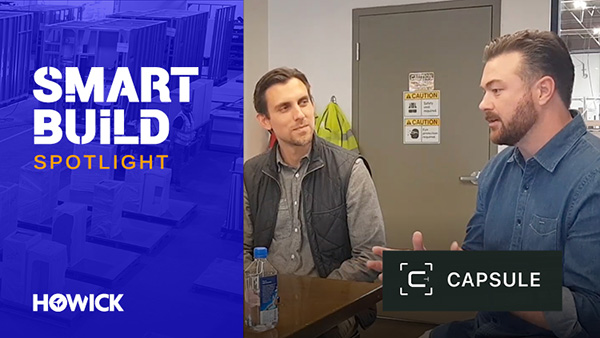
Welcome to the latest SMART BUILD SPOTLIGHT, where we go behind factory doors to find out how smart businesses are using innovation to push the boundaries of industrialised construction.
This time we are looking at how California-based Capsule grew from an after work coffee cart project into a successful construction manufacturing company. Using Howick machines and Design for Manufacture and Assembly (DfMA) methodologies, it has built a business around transforming complex construction assemblies into highly repeatable, productised solutions that can be manufactured at scale, installed quickly, and adopted across multiple sectors.
No time? Read our quick summary:
- Former Boeing and defence industry professionals Chad Bowker and Wade Wright founded Capsule to bring manufacturing thinking into construction.
- Capsule applies Design for Manufacture and Assembly (DfMA) principles to create repeatable building products that can be manufactured at scale and installed quickly.
- The company uses a product-first strategy, building trust with customers through proven solutions before expanding into new sectors and applications.
- Howick roll-forming technology enabled Capsule to efficiently manufacture framing for panelised and volumetric construction systems as the business grew.
- Capsule's Glide Casework System allows a kitchen to be installed in as little as four hours using click-together components and a steel rail mounting system.
- By treating buildings more like products than projects, Capsule is helping demonstrate how industrialised construction can improve speed, quality, scalability and customer outcomes.
Contents:
- From Boeing and defence to coffee carts
- The perfect training ground for DfMA
- What is this magic? Wade discovers Howick
- The path to growth: building trust with products
- Building a culture and a product for the future
From Boeing and defence to coffee carts
When we dropped in to visit Capsule we caught up with CEO, Chad Bowker and COO, Wade Wright, both of whom came to construction via other industries.
Chad has an undergraduate degree in business and a master's degree in finance and worked at Boeing for 15 years before starting Capsule in 2015. He first heard of the concept of DfMA at Boeing when the company started to productise and manufacture more of their own parts.
Wade, on the other hand, has a mechanical engineering degree, and similarly worked at a defence company called L3. He was unenthused by the industry, so he started looking for something different, including talking to a friend of a college roommate. That friend was Chad.
At the same time, Chad had started building a coffee cart for his church after hours. He had always wanted to start his own coffee business, and he liked building things, so he was perfect for the job. Chad rented a small industrial unit, got his welding helmet on and went to work.
Wade dropped in to see Chad while he was building his coffee cart and wanted to talk about a business idea he had in import and export. But the direction of the conversation changed with a simple idea:
"He looked at what I was building and just said, hey, I could model this for you, and we could make it more manufacturable. And in that moment, I think it started to align what I was doing during the day and what I was doing at night, taking the built environment and making it manufacturable."
What started as a single coffee cart quickly evolved into something much bigger. As Chad and Wade combined their backgrounds in manufacturing, engineering and productisation, they began applying DfMA principles to improve every aspect of the design.
The result was food service units that were easier to manufacture, assemble and replicate, and the beginnings of a business built around bringing manufacturing thinking to the built environment. Before long, they were producing food service cabinets commercially and learning lessons that would ultimately shape Capsule's approach to construction.
The perfect training ground for DfMA
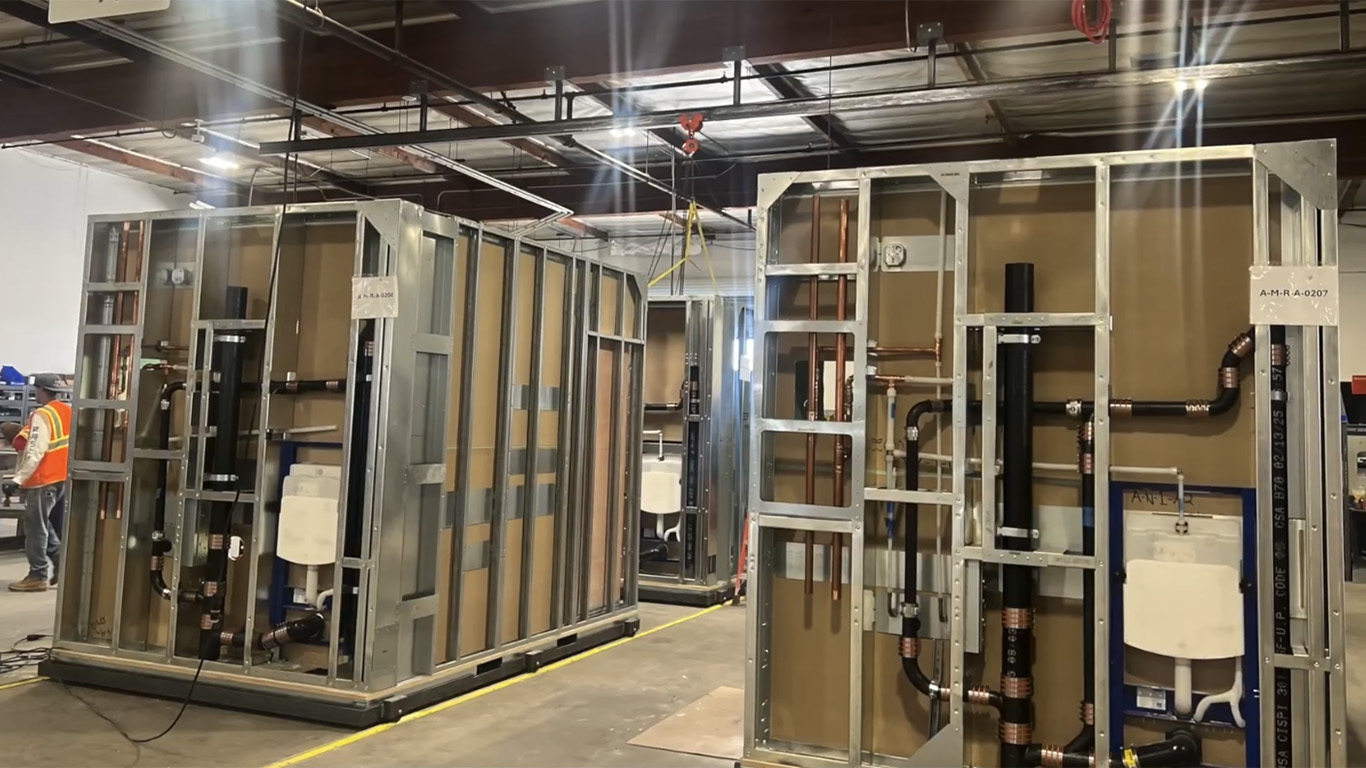
Food service turned out to be the perfect way for Capsule to learn DfMA principles. It has dense electrical and plumbing and single owners to whom they could talk directly:
"It was just the perfect training ground because the projects were small, really complicated, and it let us work out a lot of our parts..."
When they started out, they had no machines of their own, so they had to use a manufacturing network:
"So everything was machine code that we'd send to people that had machines [similar to] that you see out on our production floor now. We'd rent time, job shop, we'd get them to make our parts. And then we'd bring the parts back and say, shoot, they don't fit."
Because of these challenges, Wade explains that Capsule always tried to simplify the process, everything was fastened assembly because they did not want to weld or make anything complicated. All that was needed to put these together was a low fidelity drawing and some basic hand tools.
From 2015 to 2020, Capsule expanded rapidly. They took over around 1,000 square feet (93 square metres) of new space in a multi-tenant building every year, taking over neighbouring units one by one. Then, in 2021, things kicked up a notch:
"We had a strategic customer that could give us basically a programme of demand that allowed us to get into this [much larger] building. And so, in 2021, we moved in here and it gave us the ability to put revenue through the company, get our own equipment, outfit a factory."
What is this magic? Wade discovers Howick
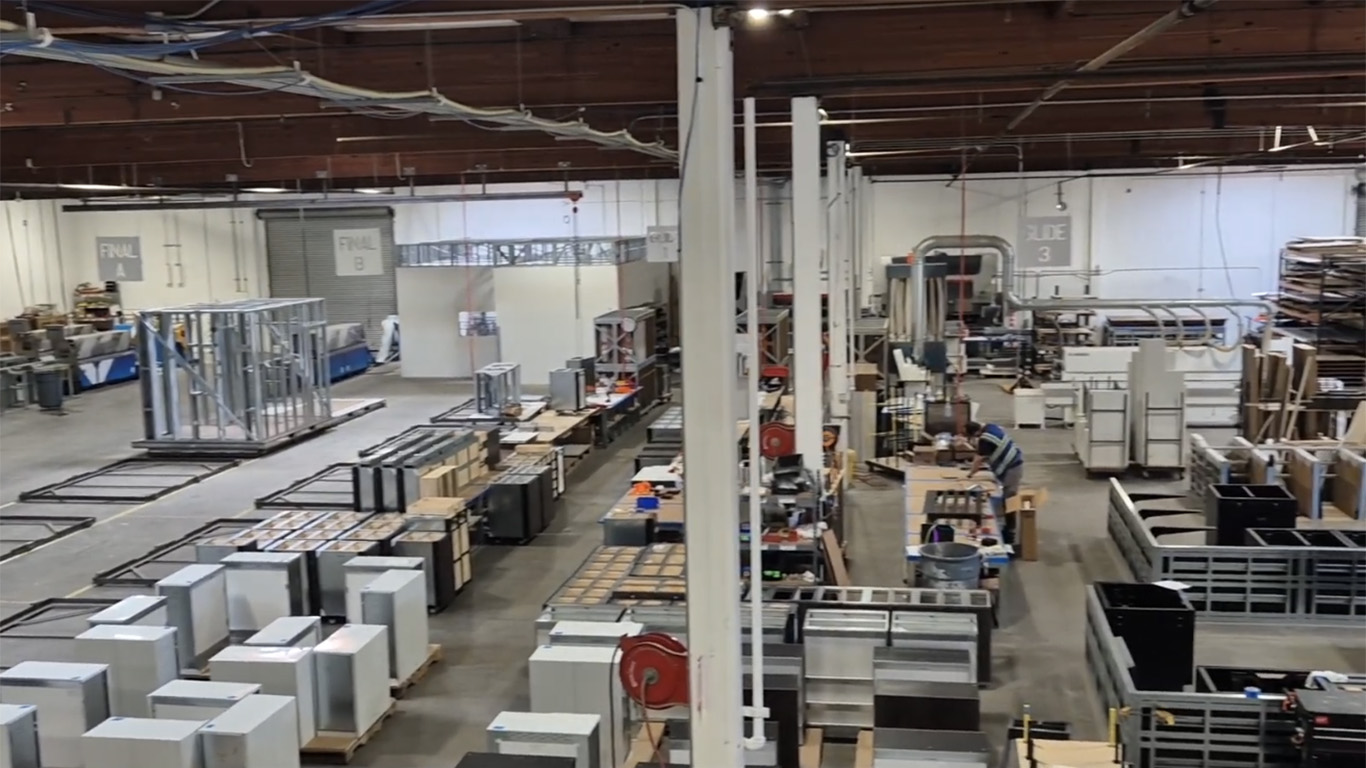
Capsule was growing fast, expanding into new industries, and looking at multi-trade panelised volumetric components. With their current machinery, building framing for these components was proving difficult:
"I thought let's just make it out of sheet metal... and I was running the numbers and thought man, this is so expensive. You can go buy these studs at Home Depot."
After ruling that option out, Wade kept Google searching and stumbled across a company called Howick:
"I found a Howick YouTube video, and I was like, what is this magic? This is so cool. I remember getting super excited about it... I'm just like, dude, we have to talk to these people."
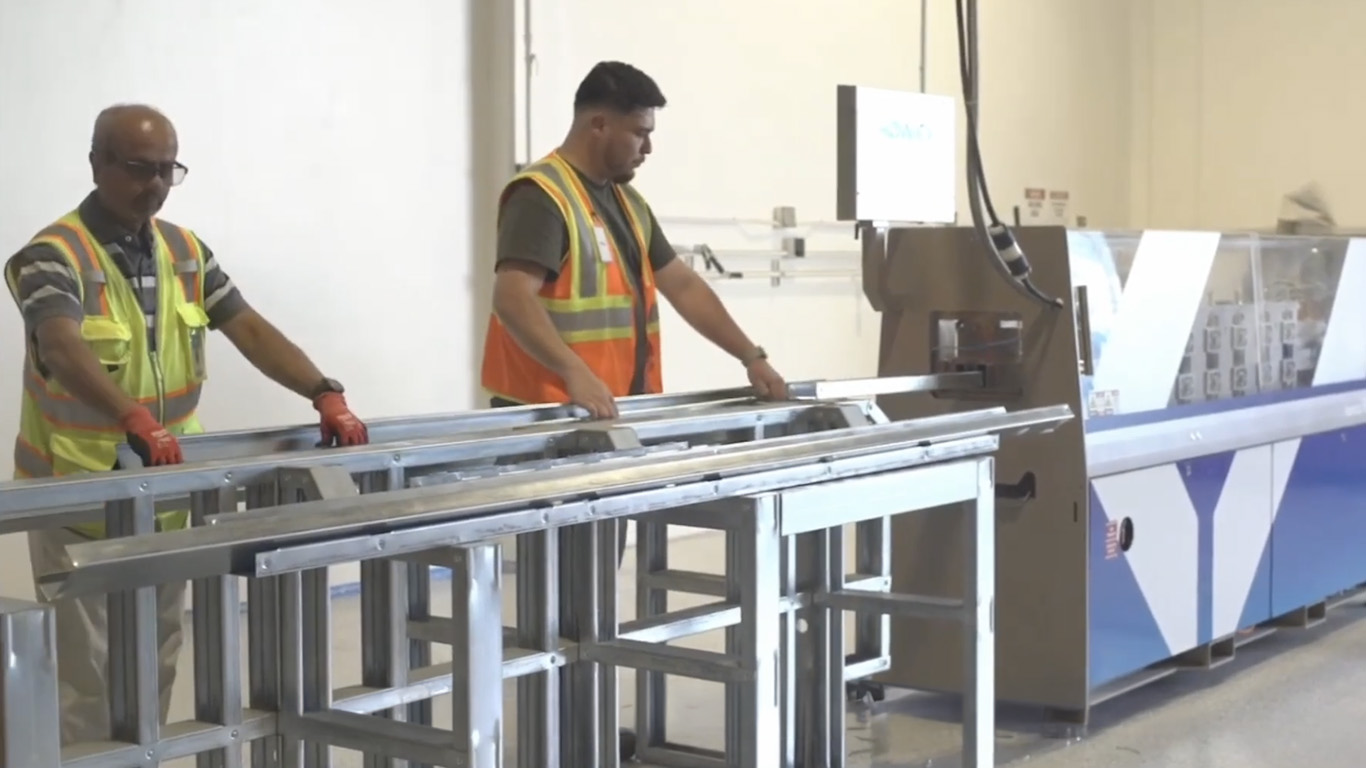
After watching the video Wade considered other brands but was quick to call Howick:
"I think I actually called JD [Howick's US Regional Manager] initially... He picked up the phone right away. And he's just been an incredible resource... from the beginning, I was pretty sold on Howick as a company just from all the information that you guys had out there. The people, Howick's staff, and the machines speak for themselves."
The path to growth: building trust with products
The construction industry is tough and competitive. So how can two industry outsiders win new business and expand into different sectors?
The trick for Capsule was to build trust with new clients with one product line, then convincing them to try another product, once the trust had been built. Using that strategy Capsule expanded into new sectors quickly, from food service, to workplace (staff lunchrooms, etc.), to healthcare, to residential:
"If we can build trust, then we can get another shot. Most customers are repeat."
This product first strategy continues to work extremely well for Capsule. The next challenge, according to Chad, is getting people to adopt this product first mindset early in the construction process:
"We're trying to encourage the adoption of these products early on and then let that flow from there. So that way, the benefit is realised by the project. It's not an afterthought, it's actually building blocks... That's a bit of an uphill battle. But I think a lot of people are coming around to seeing the value of it. To get a product so well defined that it's adopted and put into the specifications of whatever the assembly is, your product just has to be really impactful."
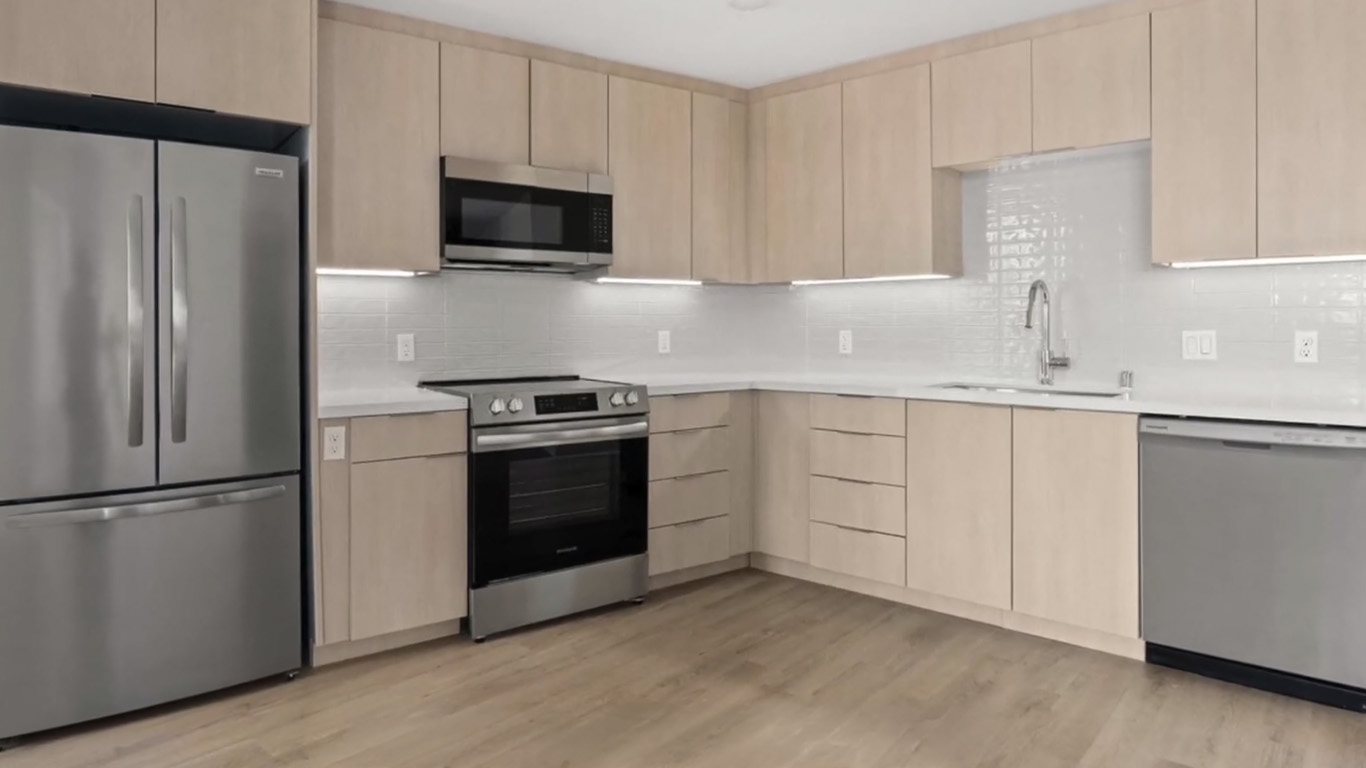
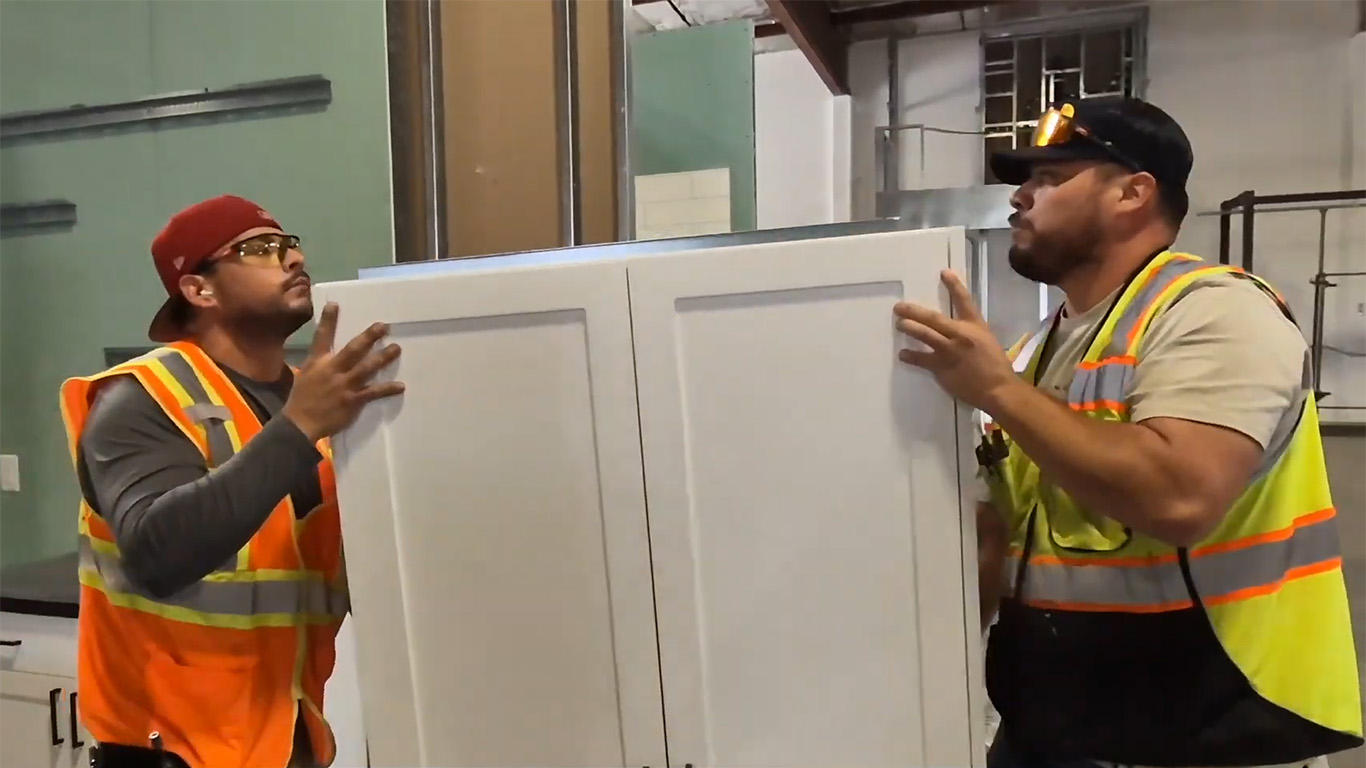
Capsule sees their product portfolio as essential to prove their point and validate their strategy, and now with the Glide Casework System and Parade Panelised Walls they have just that. Glide is particularly impressive, it is a cabinetry system that enables a moderately handy person to install a kitchen in four hours thanks to click together boxes, backsplashes and finishes. Cabinetry is not screwed through the box, it is hung on a steel rail system mounted to the wall, a bit like hanging a TV, but for the entire kitchen or bathroom.
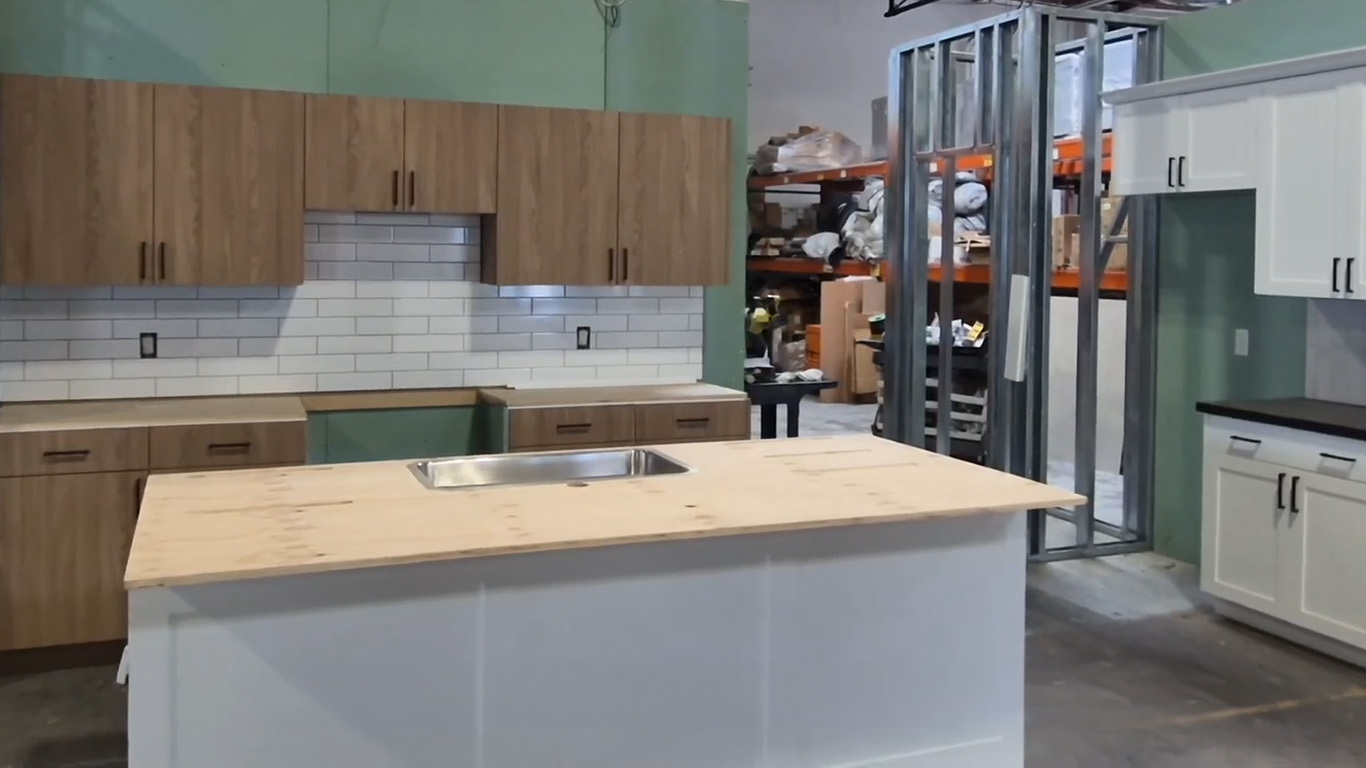
Plus, since everything glides on, you can update your cabinet finishings, splashbacks and mount racks quickly and easily.
Building a culture and a product for the future
Capsule has been growing rapidly since its inception in 2015, and Wade and Chad both acknowledge that the right people and culture are vital to fuel that growth:
"We want people that are going to be proud to be on a team that is doing something that is hard and has some kind of a mission behind it... It's that enthusiasm mixed with a lot of ownership. We expect a lot out of people, but we tell them where we're going and why we want to do it, why we think it's a good idea, and just invite them. And if they get excited about it, that's all we need."
Chad also explains that often they hire outside of traditional construction because of the mindset shift required for industrialised construction.
With a strong culture in place, Capsule is well aware of where their strengths lie, and, therefore their future growth opportunities:
"It's always the product. If it didn't work, we wouldn't get any calls."
As well as the product their success is about taking ownership. In the rare cases when a client identifies a problem or error, they own that and work with the client to find a solution. This, more often than not, creates repeat clients.
As it has been, the product will be at the forefront for Capsule's future, in particular Glide, their casework system:
"We want that system to be used in residential across production builders... It's ready-made for industrialisation. And it has to start from a product that can easily be adopted. And then you can build trust."
Wade adds that the company also plans to expand their product lines to keep their Howick machines, and others, busy:
"We're developing more products, things that are a finished, available product, ready for you to buy. Using all of the machines out there to make parts that feed assemblies."
Capsule's story is proof that the best ideas in construction can often come from outside it. With a product first philosophy, a culture built on taking ownership, and Howick machines at the core of their operation, they are not just building better kitchens, bathrooms, and coffee bars, they are reimagining what is possible when buildings are conceptualised and designed like products and manufactured for scale.

All our SMART BUILD SPOTLIGHT episodes are now available on our YouTube channel.
We travel around the world and meet with industry trailblazers to explore how they are pushing the boundaries with smarter construction methods. Each episode gives you a behind the curtain look into how different businesses combine people, process and technology to achieve outstanding results.
If you haven’t already, subscribe today and immerse yourself in thought provoking content.


